Game Overview
The Last Station – Baku is one of Azerbaijan’s first survival horror games that combines atmospheric tension, resource management, and a gripping narrative. The player takes on the role of an ordinary student trapped in a distorted version of the Baku Metro, where they must navigate dangers, overcome scarce resources, and ultimately survive while searching for their missing girlfriend and the key to escape.
Core Pillars
- Atmosphere Over Action
- Survival Through Scarcity
- The Metro Tells the Story
- Fragile Player Experience
Gameplay
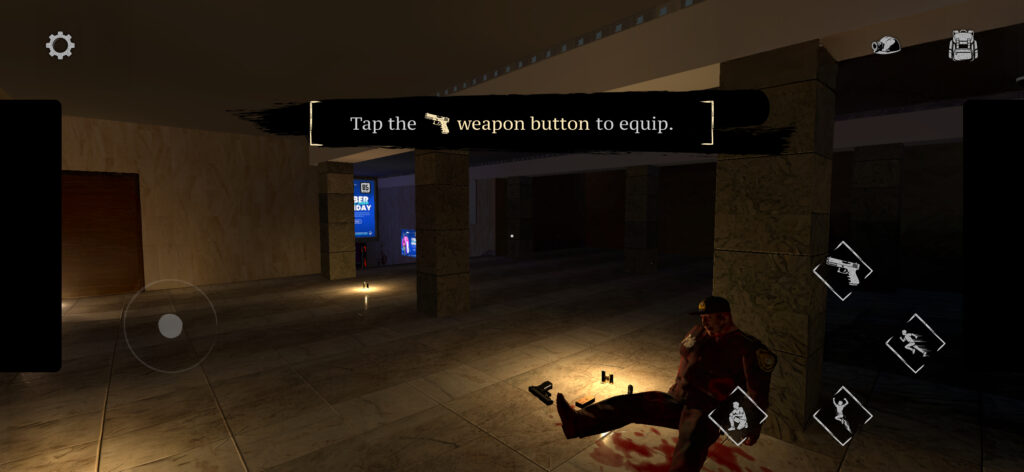
The core loop revolves around exploration, resource gathering, and survival. Players will encounter various zombie types, each requiring different tactics to survive. The game is punctuated by emotional choices and plot twists as the protagonist uncovers what happened to the world, pushing the player to make decisions that affect the narrative’s progression.
Core Challanges
Problem: Balancing Gameplay with Limited Resources
Creating a survival-horror game that balances atmosphere, resource scarcity, and player agency without overwhelming the player was the primary challenge. We wanted to design a game that was immersive and tense while giving players control, making sure the experience remained both challenging and enjoyable.
Analysis
Atmosphere vs. Gameplay
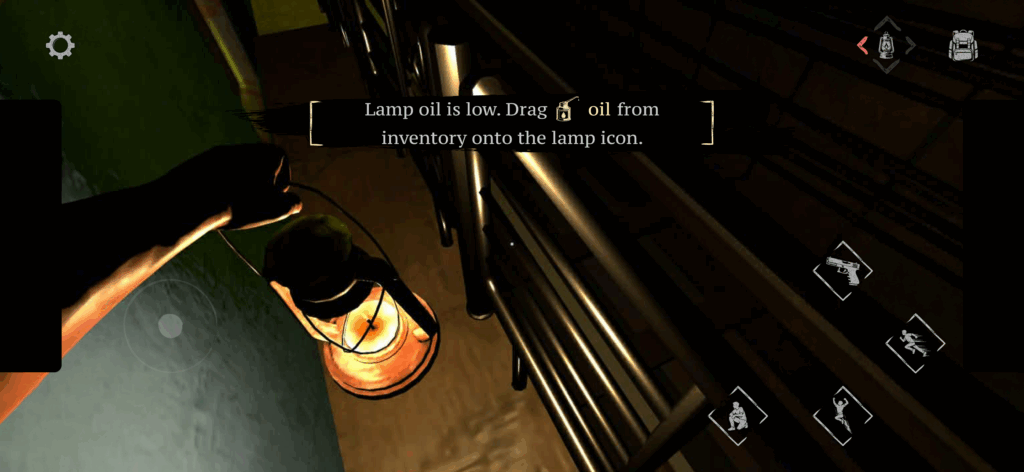
- Challenge: The game needed to create an environment filled with tension, fear, and mystery, but it also had to provide engaging gameplay. The difficulty needed to escalate in a way that didn’t feel frustrating, but rather built suspense.
- Concern: Relying too much on atmosphere could hinder gameplay progression, while focusing only on gameplay mechanics could dilute the horror aspect.
Solution: Balanced Design:
- The atmosphere was maintained through lighting, sound effects, and pacing. Moments of silence or eeriness were used to build tension, while sudden combat or danger sequences would break the tension and push the player into action. The rhythm of gameplay was key to sustaining both immersion and interaction.
Scarcity Mechanics
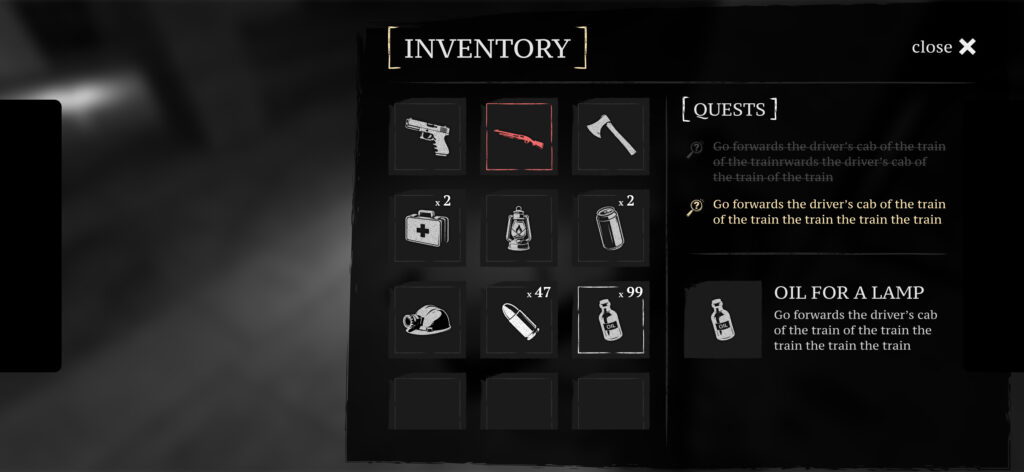
- Challenge: Limiting resources like weapons, healing items, and light sources was critical to the survival-horror experience, but if not calibrated correctly, it could lead to frustration or feeling stuck.
- Concern: Overuse of scarcity mechanics could make the game unfair, while underuse would lessen the game’s challenge and intensity.
Solution: Playtesting and Calibration:
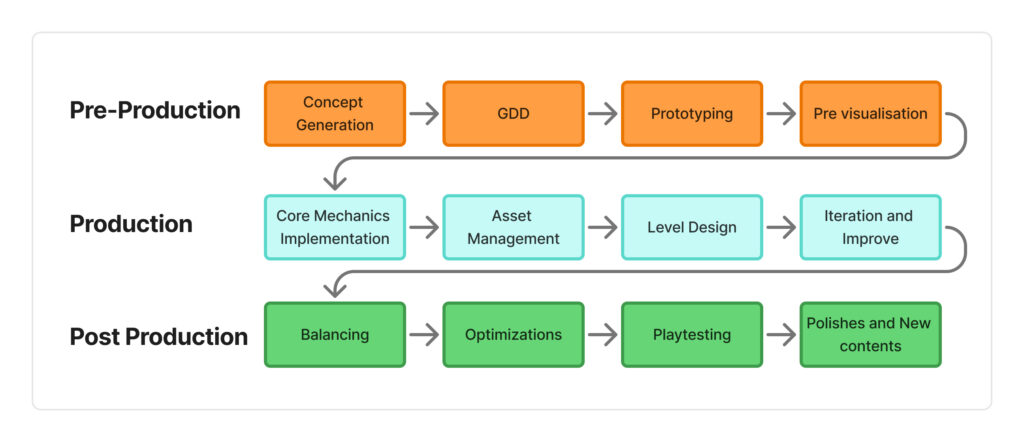
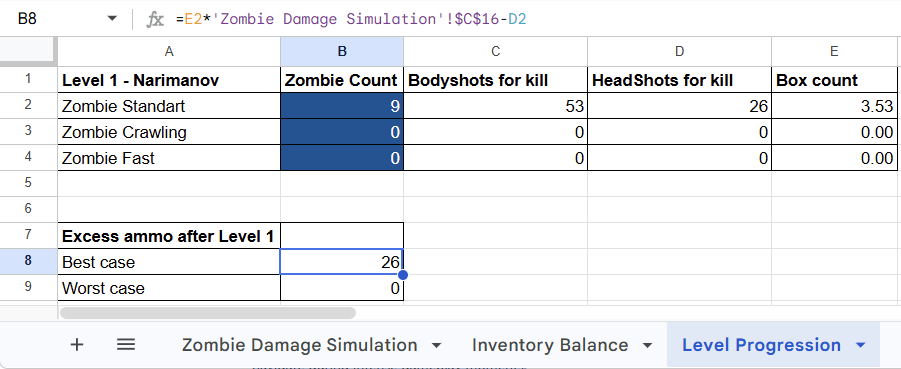
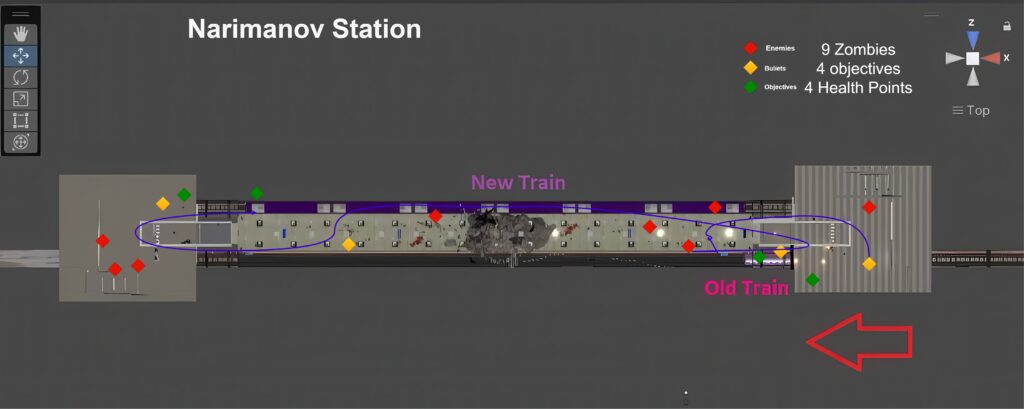
- We calculated and created spreadsheet for simulate Zombie Stats, Weapon stats, Player stats. After coming to mathematical conclusion we generated 2D map of zombies and items placements.
- And playtestings are enabled to point of adjustments in real scenarios. We considered error counts, panics and etc.
Narrative Integration
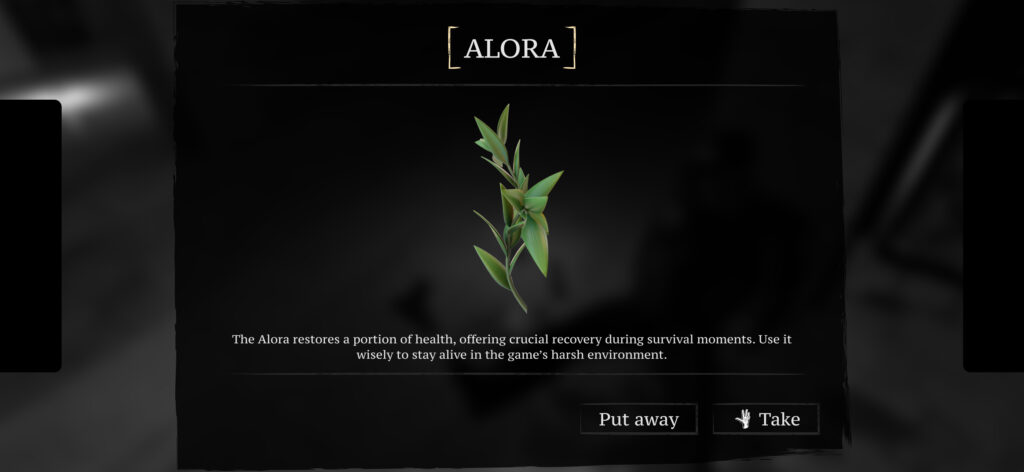
- Challenge: Without traditional cutscenes, we had to find a way to communicate the story through the game environment, keeping the player immersed while uncovering the mystery of the world.
- Concern: Overloading the player with too many environmental clues could break immersion, while too few would make it hard to follow the narrative.
Solution: Environmental Storytelling
- The game used clues which is unique to each station named after people, notes, graffiti, and environmental details to tell the story. Each metro station had unique environmental cues that revealed parts of the backstory, ensuring the player was constantly piecing together the narrative without being force-fed information. This approach allowed players to feel more connected to the world and its demise.
Mobile UX/UI due to Screen Size
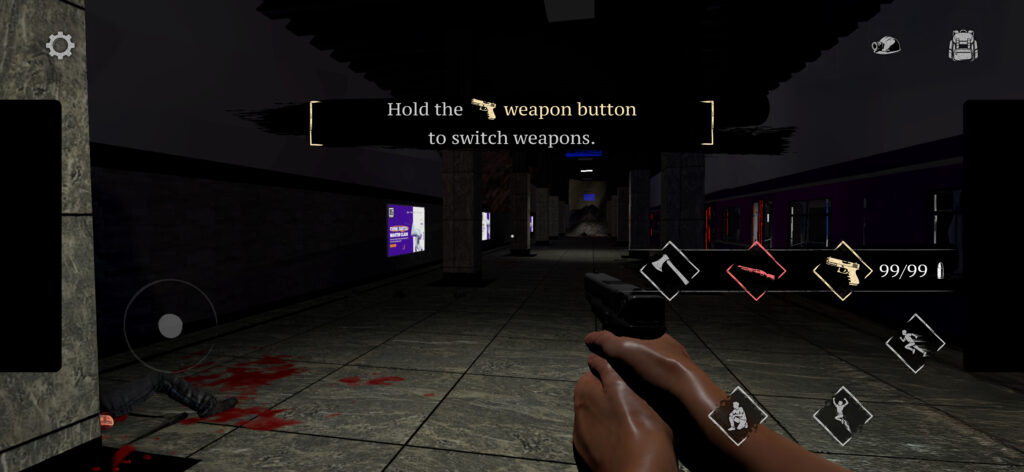
- Challenge: Designing a game for mobile devices meant ensuring that the user interface (UI) was optimized for smaller screens, without compromising the gameplay experience. We had to consider how to fit all the necessary information without cluttering the limited space.
- Concern: A poor UI could make it hard for players to interact with the game, especially during high-stress moments, or it could make navigating the game world cumbersome.
Solution: Compact & Intuitive UI:
- The UI was designed to be clean, minimalistic, and responsive to the smaller screen sizes. Important gameplay elements (e.g., health, inventory) were accessible through a bottom toolbar, while contextual action buttons were placed near the player’s thumbs for easy access. The game’s menus were streamlined to ensure a smooth experience, reducing clutter and making it easier to navigate during intense gameplay moments.